Hans-peter briegel biography
Home / Athletes & Sports Figures / Hans-peter briegel biography
Briegel gained fame for his powerful presence and aggressive playing style.
He represented the German national team in major tournaments, including the FIFA World Cup, and made significant contributions to his club teams, which garnered him a loyal fan following.
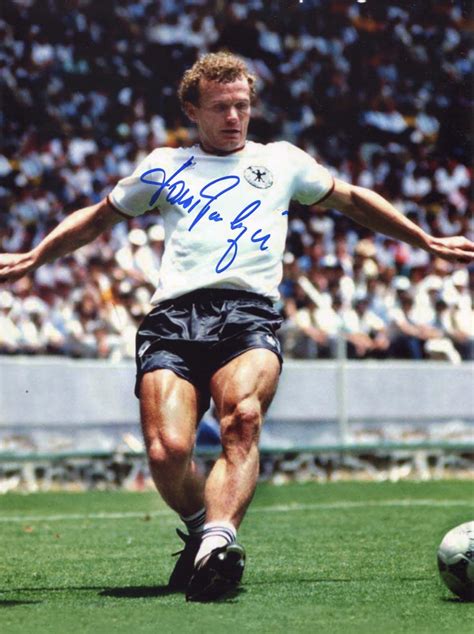
4.
This groundwork provided unparalleled conditioning, leg strength, and agility, all of wich contributed to the aggressive, dynamic style which he would adopt on the soccer pitch.
beyond his physical prowess, Briegel’s mental fortitude was key to his success. He was part of West Germany’s 1982 FIFA World Cup runner-up team and he also played in the Euro 1984 less successful tournament, all under Jupp Derwall’s coaching.
Burruchaga’s game-winning shot was scored by Burruchaga before Briegel’s desperate tackle. It’s a classic tale of grassroots football,reminiscent of countless American kids honing their skills in neighborhood parks and schoolyards. Think of him as the European equivalent of a player like Antonio gates, who transitioned from college basketball to NFL stardom – an athlete who defied expectations and conquered a new sport.
Briegel’s story begins not on manicured pitches, but on the rugged terrain behind his family’s farm.
His physical constitution, speed, and tireless running made him a success in football. This is where Briegel truly shined, using his athleticism to outjump and outmaneuver opponents. Regarding his net worth and income, detailed information is not readily available, as he retired from professional football before the era of astronomical player salaries.
At the age of 17, he left athletics behind him, playing club football with hometown side SV Rodenbach near Kaiserslautern. He was the one who conceded a penalty in the 1982 World Cup final when he fouled Bruno Conti. Throughout his career, Briegel displayed strong leadership skills, both on and off the field. His nickname Die Walz von der Pfalz, which literally means “The steamroller of Palatinate”, refers to both his playing style and his heritage.
His teammates were aware that he was moving quickly to make the pass happen (to get the Argentinian striker offside), but Briegel’s hesitation proved to be a backfire for the West Germans and gave Burruchaga an opportunity to strike decisively. Beckenbauer was not a fan of Beckenbauer’s style of play and he did not intend to hinder the coach’s efforts to create a new team for Euro 1988 in West Germany.
He is a former professional footballer who primarily played as a defender. Hans-Peter Briegel’s contributions to German football will always be remembered and celebrated.
Hans-Peter Briegel, Die Walz aus der Pfalz Skills & Goals
He recalls those early days with a touch of nostalgia:
On the meadow behind our farm. To date he is the most successful coach of Albania of all times because of the number of points per match in the two qualifiers UEFA Euro 2004 Qualifications and the FIFA World Cup 2006 Qualification. Franz Beckenbauer, Derwall’s successor, kept him in his squads, and Briegel was allowed to participate in the 1986 World Cup in Mexico.
His achievements have solidified his place among the greats of the game and continue to serve as an inspiration to all those who lace up their boots and step onto the field.
In conclusion, Hans-Peter Briegel is not only a towering figure in terms of his height but also in terms of his impact on the world of football.